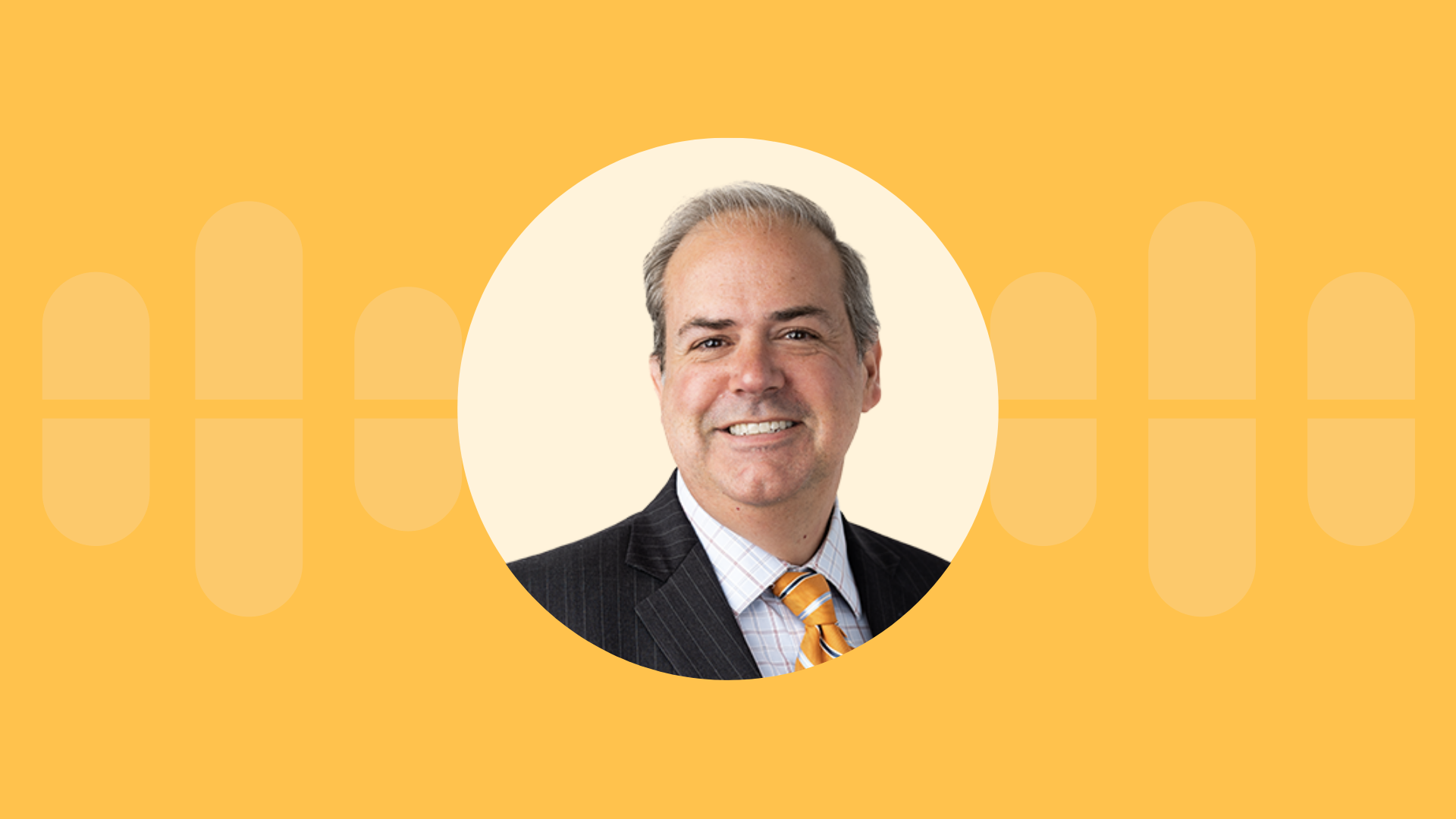
Colin Hung, Editor in Chief of Swaay.Health and Editor and CMO at Healthcare IT Today, joined the podcast to discuss how marketing influences patient access and how providers match services with demand.
He explored how digital experience, trust, and modern marketing strategies shape how patients find and receive care.
Healthcare marketing and digital experience are critical to patient access.
To reach patients online in the age of AI, health systems must use up-to-date marketing strategies.
Marketing teams are gaining strategic importance in how healthcare organizations operate and compete.
“A more modern take on healthcare marketing on the provider side is to think about funnels and to think about patient journeys.”
– Colin Hung
Key takeaways
Hung explained that marketing plays a critical role in healthcare success because it influences how, when, and who receives care. Here’s what he covered:
Healthcare marketing and digital experience are critical to patient access.
Hung explained that healthcare marketing is fundamentally different from other industries. “In almost every other place in our lives, we have the option to buy or not buy something. But healthcare is unique because… you need to get care,” he said. That distinction places responsibility on health systems to make it easy for patients to find care when they’re searching online.
Hung emphasized the importance of building trust and transparency. “It boils down to a couple of really important things. It’s really about being transparent… showing up where people are, being consistent.” Trust, he noted, is strengthened when patients are involved in the design process. Health systems can invite patients to co-design experiences, not simply react to finished products. “Those patients will then go and spread the word,” he said.
He also discussed meeting communities where they are, beyond traditional digital channels. That may mean appearing in physical spaces “like the local barbershop or restaurants… where Google can’t get to.” These efforts increase awareness of available services and reduce access barriers.
To reach patients online in the age of AI, health systems must use up-to-date marketing strategies.
Hung explained how AI and emerging technologies are “fundamentally changing what kind of content people need to put up on their website.” As AI systems prioritize trusted, specific information, health systems must make their content clearer and more precise.
“When someone types in, ‘I’m looking for this type of doctor,’ are they going to find you? And when they find you, can I actually book without having to call?” he asked. “If you want to compete, you have to provide consumer-first access.”
Search engines once prioritized local results. Now, AI-driven search emphasizes relevance and specificity. Hung stressed that health systems must modernize patient acquisition strategies to remain competitive as patients increasingly use LLMs and digital tools to find care.
Marketing teams are gaining strategic importance in how healthcare organizations operate and compete.
Hung highlighted the growing influence of marketing within health systems. “There’s a recognition that we need to make sure [patients] get the care they need, but also that [providers] capture that revenue,” he said. In competitive markets, marketing plays a strategic role in both growth and sustainability.
Marketing is also critical for provider recruitment. “Marketers are now getting much more involved on the HR side of healthcare,” Hung noted. Health systems must promote their organizations to attract nurses, physicians, and technicians — not just patients. Marketing teams’ expertise in patient acquisition, both online and in the community, helps organizations stand out locally. That may include community workshops or events at places like local grocery stores.
For example, when individuals are shopping for groceries, health systems can offer guidance on maintaining a balanced diet on a budget. Small efforts like these “build trust and generate goodwill,” Hung said. When people later need care, they remember which organizations showed up in their community.
More episodes you might enjoy
Season 5 | Episode 7
Staying Independent in the Age of M&A
Nick Healey
Partner at Husch Blackwell
M&A attorney Nick Healey shares insights on maintaining independence and evaluating potential M&A structures from decades of working with rural healthcare organizations.
Chief Innovation and Digital Technology Officer at Franciscan Health
The healthcare workforce is an incredibly valuable (and diminishing) asset. Copley covers the critical role technology plays in workforce happiness and efficiency.
Innovating with Purpose: Strategies for Meaningful Investment in AI
Anika Gardenhire, RN, CHCIO
Chief Digital and Information Officer at Ardent Health Services
How can health systems interested in AI move beyond the buzzwords and create meaningful AI strategy? Anika Gardenhire, RN, CHCIO offers insightful and actionable recommendations.
Get the latest episodes delivered directly to your inbox.
We use cookies to ensure that we give you the best experience on our website. If you continue to use this site we will assume that you are happy with it.