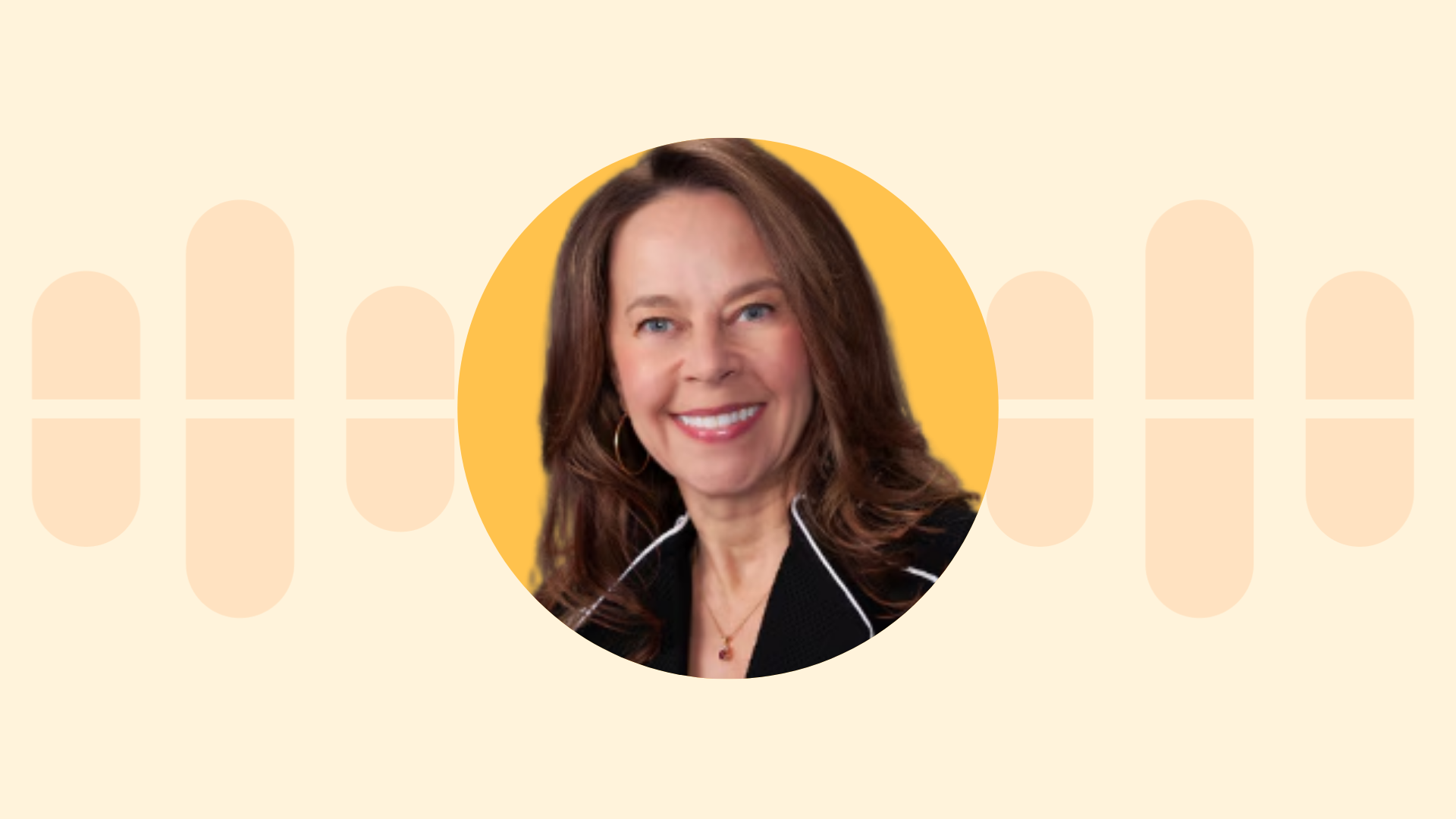
Fran Palm is the president and CEO of Zufall Health, a large FQHC delivering care in New Jersey. She discusses her organization’s strategic growth, commitment to trauma-informed care, and innovative approach to navigating funding challenges to expand healthcare access in underserved communities.
“We are purposefully seeking growth because it fits our mission, and it strengthens the organization overall to be able to provide more services and lean on the systems that we already have.”
– Fran Palm
Key takeaways
Strategic growth and partnerships drive success.
Zufall Health has expanded significantly, growing from a few sites to 12 licensed locations. Their ability to sustain and grow services, despite funding challenges, is largely due to strategic planning and partnerships with schools, hospitals, and mental health agencies.
“We have to change the way we look at [rapid growth]. It is not just accidental, it is intentional,” said Palm.
With COVID-related funding drying up, Zufall Health has diversified revenue streams, securing grants, leveraging New Jersey’s expanded reimbursement policies, and launching its own foundation for fundraising. Their proactive approach to federal and state funding ensures continued service delivery despite financial uncertainty.
“We’re not waiting around,” said Palm. “We do a whole lot of fundraising on our own from state and private sources. For example, last year, we set out to replace our aging mobile medical van, and through a combination of efforts—special events, etc.—we raised about four hundred fifty thousand dollars so that we could purchase a new vehicle. You have to take advantage of what else is going on with others. Your opportunities come in different forms, and you just have to be ready,” she said.
Trauma-informed care and behavioral health services are key priorities.
Zufall Health has prioritized trauma-informed care, recognizing the long-term health impacts of adverse childhood experiences (ACEs). Their approach focuses on patient-centered care and internal workforce well-being. Additionally, behavioral health services continue to expand, supported by new funding opportunities at the state and federal levels.
“In the heart of trauma-informed care, which we’ve been doing for a couple of years now, it translates into just really great customer service. Because it’s really taking into account the patient’s experience. Right? And understanding that why they react to things or don’t react to things has all to do with them and their life experiences and less to do with us.”
More episodes you might enjoy
Season 1 | Episode 10
Caution or Opportunity Ahead? Leadership Through Change
Sri Velamoor
President and COO at NextGen Healthcare
With whiplash-inducing priority shifts taking place rapidly in healthcare, how do leaders balance innovation and the status quo? Sri Velamoor offers perspective as a forward-thinking leader and technologist.
Chief Information Officer at Fisher-Titus Medical Center
Community health systems stretch limited resources to serve a large patient population. Linda Stevenson dives into the strategies her organization uses to provide impactful services, reach more people, and maximize resources.
Charting the Healthcare Waters: Helping Your Patients Navigate
Elizabeth Woodcock, DrPH, MBA, FACMPE, CPC
Founder and Executive Director, Patient Access Collaborative
Woodcock discusses her analysis and recommendations to make healthcare access more equitable for patients by addressing root issues and hidden barriers to care.
Get the latest episodes delivered directly to your inbox.
We use cookies to ensure that we give you the best experience on our website. If you continue to use this site we will assume that you are happy with it.