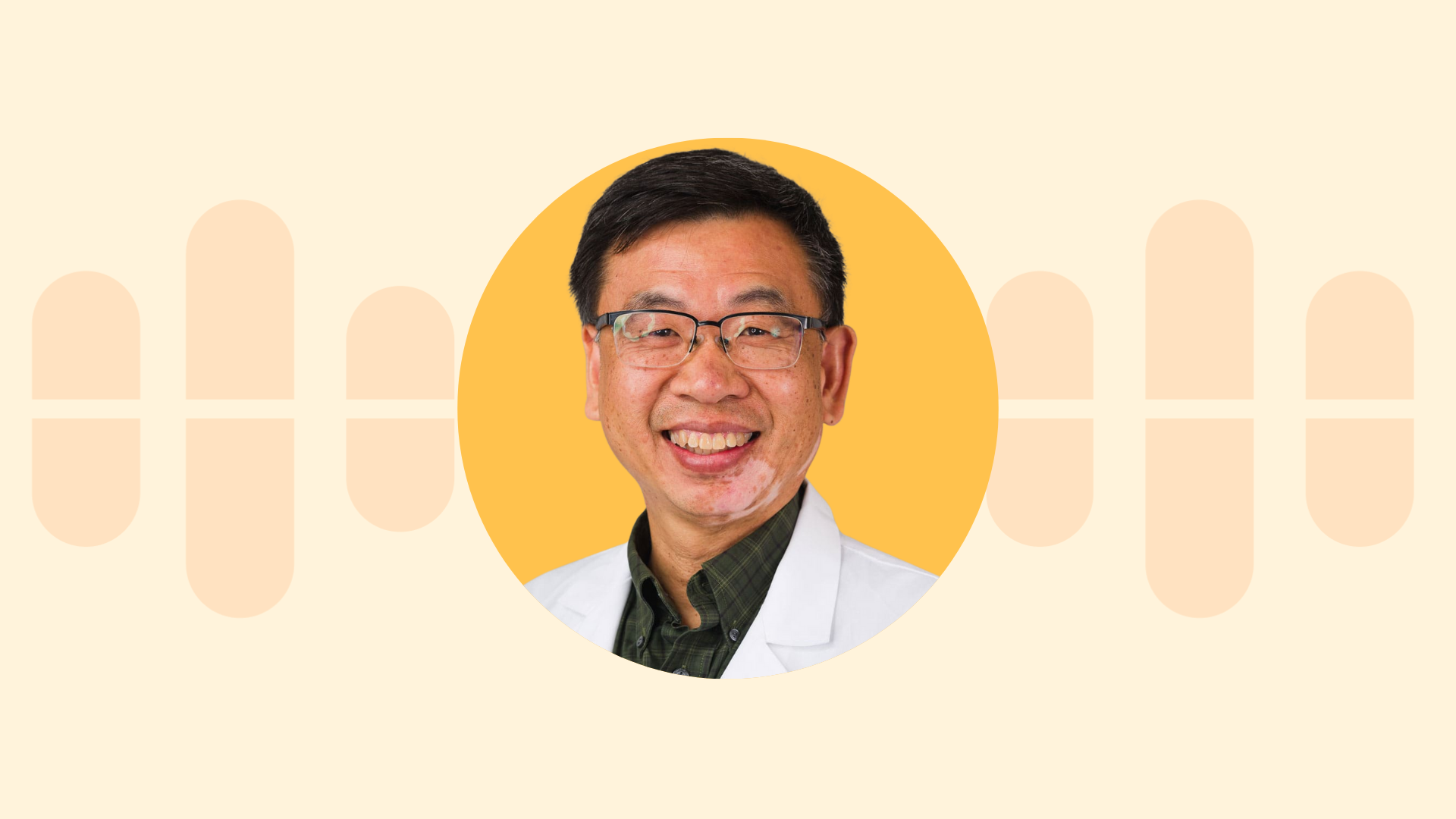
Octavia Rolland, Executive Director of Ambulatory Operations at Cook County Health, joined the show to discuss what equitable access really takes at scale. Cook County Health serves more than 500,000 patients across Chicago and the surrounding suburbs and operates as a vital safety net institution with a clear mission: provide high-quality care regardless of a patient’s ability to pay.
Rolland started her career as a scheduler in a call center before rising to executive leadership. In this episode, she shares how that front-line experience continues to shape her leadership today, from elevating staff voices to building career pathways for non-clinical team members and rethinking how technology can strengthen access.
Front-line experience shapes stronger operational leadership and better care design.
True equity means investing in internal customers as much as external ones.
Technology and AI can help close access gaps and redesign staffing models when used strategically.
“You can’t just solve the problem for 45 minutes and neglect what’s happening 24 hours a day.”
– Octavia Rolland
Key takeaways
Rolland offered a grounded view of what it takes to deliver equitable access in one of the largest counties in the United States. Here’s what she covered:
Front-line experience shapes stronger operational leadership and better care design.
Rolland’s leadership philosophy is rooted in lived experience. She started as a scheduler while in college and quickly became curious about “how the engine is built.” That curiosity carried her through roles as supervisor, operations manager, director, and now Executive Director of Ambulatory Operations.
That journey still shapes how she leads. As Executive Director of Ambulatory Operations at Cook County Health, Rolland regularly visits clinics, talks with clerks and registrars, and ensures front-line staff have a seat at the table during major initiatives. “You can put a million-dollar piece of equipment in your clinic,” she says. “If you don’t get it right the first time, up front, it will mean nothing.” For Rolland, registration accuracy, payer verification, and front-desk workflows aren’t small details. They’re central to both financial sustainability and patient experience.
Rolland also reflected on how front-line staff often feel they “own everything,” especially when something goes wrong. That memory drives her insistence on genuine engagement. “I know how you feel. I felt that,” she said, explaining why she pushes to involve the people doing the work when processes are redesigned.
True equity means investing in internal customers as much as external ones.
Cook County Health’s mission is clear: provide high-quality care regardless of ability to pay. But Rolland emphasized that mission can’t succeed without investing in the people delivering that care. She described Cook County Health as deeply mission-driven, with many team members serving communities that look like them or reflect their own lived experiences. Multilingual staff, community-based initiatives, and longstanding work addressing social needs position the system to meet patients where they are.
“You can’t just solve the problem for 45 minutes and neglect what’s happening 24 hours a day,” Rolland said, underscoring the importance of addressing housing insecurity, food access, and other social drivers of health.
Internally, she sees a need to strengthen career pathways for non-clinical staff. Clinicians often have clear professional ladders. Schedulers and registrars don’t always have the same visibility into what’s next. In response, Cook County Health has introduced supervisory roles designed to serve as pipelines into clinic management and leadership. These initiatives build operational knowledge in practical stages and set team members up for long-term success. For Rolland, equitable access begins with equitable opportunity inside the organization.
Technology and AI can help close access gaps and redesign staffing models when used strategically.
Looking ahead, Rolland is focused on leveraging technology and AI safely to improve access at scale. “We cannot relive the same old practices and think we’re going to get different results,” she said.
Health systems can’t rely on staff to manually call patients for reminders, manage waitlists, or fill last-minute cancellations. That approach isn’t sustainable. Instead, Rolland envisions technology handling routine outreach, preventive screening reminders, referral follow-ups, and waitlist management behind the scenes. That shift would allow staff to focus on higher-value, in-person interactions and patients with more complex needs.
She described a future where digital tools automatically identify open slots, pull from waitlists, and connect patients to call centers without manual intervention. In that model, technology strengthens access while enabling a more intentional staffing structure. For Rolland, equitable access in 2025 isn’t just about expanding capacity. It’s about redesigning systems so both patients and staff are supported at the right moments.
More episodes you might enjoy
Season 4 | Episode 4
Addressing Care Barriers for a Diverse Patient Population
George Lee, MD
Chief Innovation Officer at Asian Health Services
Asian Health Services provides innovative, whole-person care with remote monitoring programs, dental care, multilingual support, and much more. Lee discusses the creative thinking needed to make more equitable care a reality.
As the United States' geriatric population continues to grow, both care delivery and the healthcare system will need to adapt. Lauded geriatrician, professor of aging research, and founding director of the Center for Health Innovation and Implementation Science Malaz Boustani, MD, MPH shares his perspective.
Meeting Patients Where They Are: The Real-World Health Impact
Nassar Nizami
Chief Information Officer at Exact Sciences
"Meeting patients where they are" is one of the core premises of digital health. But what does it look like for downstream health outcomes when this is done well? Nassar Nizami discusses the impact of Exact Sciences' pioneering home cancer screenings.
Get the latest episodes delivered directly to your inbox.
We use cookies to ensure that we give you the best experience on our website. If you continue to use this site we will assume that you are happy with it.